Arsenic pollution: what are the dangers for humans and the environment?
|
|
Time to read 5 min

|
|
Time to read 5 min
Summary
Often overlooked by the general public, arsenic is nonetheless one of the most dangerous toxic metals. Naturally present in the Earth's crust, it is now found in water, soil, and air due to human activities. Arsenic pollution has become a global problem, affecting human health, agriculture, and ecosystems.
Like cadmium, mercury, and lead, arsenic is among the heavy metals closely monitored by health authorities. Invisible, odorless, and tasteless, it can silently contaminate our food and drinking water, leading to serious long-term consequences.
Like cadmium, arsenic does not disappear naturally. It remains present in soils and groundwater for centuries.
Solubility : Inorganic arsenic can easily dissolve in water, contaminating drinking water.
Mobility : it moves through the environment, affecting vast geographical areas.
Bioaccumulation : it accumulates in living organisms, particularly fish and crustaceans.
Arsenic pollution is particularly difficult to control because it is both natural and anthropogenic.
Metallurgical industries : zinc extraction and refining, galvanizing, welding, manufacturing of rechargeable nickel-cadmium batteries.
Phosphate fertilizers : often contaminated with cadmium as an impurity.
Combustion of fossil fuels : atmospheric emissions which then fall back onto the ground.
Electronic and plastic waste : increased pollution due to poor management of recycling channels.
Colored pigments and plastics : historical use of cadmium compounds for paints and polymers.
Arsenic enters the body mainly through drinking water and food (rice, vegetables, seafood).
Cancers : Arsenic is classified as a known carcinogen (Group 1, IARC) . It is associated with cancers of the skin, liver, bladder, and lungs.
Cardiovascular system : hypertension, heart disease.
Skin : hyperpigmentation, skin lesions, keratoses.
Nervous system : neurological disorders, memory loss, developmental delay in children.
Kidneys and liver : chronic long-term damage.
Long-term exposure to arsenic can be fatal, even with repeated low doses.
Arsenic enters the body mainly through drinking water and food (rice, vegetables, seafood).
Cancers : Arsenic is classified as a known carcinogen (Group 1, IARC) . It is associated with cancers of the skin, liver, bladder, and lungs.
Cardiovascular system : hypertension, heart disease.
Skin : hyperpigmentation, skin lesions, keratoses.
Nervous system : neurological disorders, memory loss, developmental delay in children.
Kidneys and liver : chronic long-term damage.
Long-term exposure to arsenic can be fatal, even with repeated low doses.
Arsenic pollution also directly affects the environment:
Soil : lasting contamination, rendering agricultural land unsuitable for certain crops.
Water : pollution of groundwater and rivers, making the water unfit for consumption.
Aquatic fauna : bioaccumulation in fish and crustaceans, which become unfit for human consumption.
Food chain : gradual transfer of pollutants to higher predators, including humans.
To limit the risks associated with arsenic pollution, several international regulations impose maximum thresholds:
WHO (World Health Organization) : limit set at 10 µg/L of arsenic in drinking water.
European Union : same threshold as the WHO, as stated in the European directive on drinking water.
Food products : specific thresholds for rice and rice-based products, which are particularly monitored.
Despite these rules, millions of people around the world still consume water beyond these thresholds.
Arsenic pollution is closely linked to other heavy metals, which exacerbate the overall impact on health and the environment.
| Heavy metal | Main sources | Effects on human health | Environmental impacts |
|---|---|---|---|
| Cadmium (Cd) | Fertilizers, metallurgical industries, batteries | Kidney damage, bone fragility, cancers | Bioaccumulation in soils and water |
| Lead (Pb) | Paints, batteries, industries | Neurological disorders, anemia | Long-term soil contamination |
| Mercury (Hg) | Coal combustion, chemical industry | Neurological disorders, kidney damage | Bioaccumulation in fish |
| Chrome VI | Tanneries, pigments, textile | Carcinogenic, respiratory problems | Persistent and toxic to fauna and flora |
| Nickel (Ni) | Petroleum combustion, metallurgy | Skin allergies, respiratory problems | Toxicity to certain plants |
The list of heavy metals underlines the need for comprehensive pollution management to limit their cumulative effects.
Use varieties of rice and crops that are less absorbent of arsenic.
Control the origin of irrigation water.
Improve soil drainage to limit arsenic mobility.
Activated carbon or biochar-based filters .
Membrane processes (reverse osmosis, nanofiltration).
Specific adsorbents : iron oxides, zeolites, bio-materials.
Ban on arsenical pesticides.
Strict monitoring of industrial discharges.
Gradual decontamination of polluted mining sites.
Check the quality of your drinking water (especially in at-risk areas).
Diversify your diet to limit exposure.
Avoid CCA-treated wood for domestic construction.
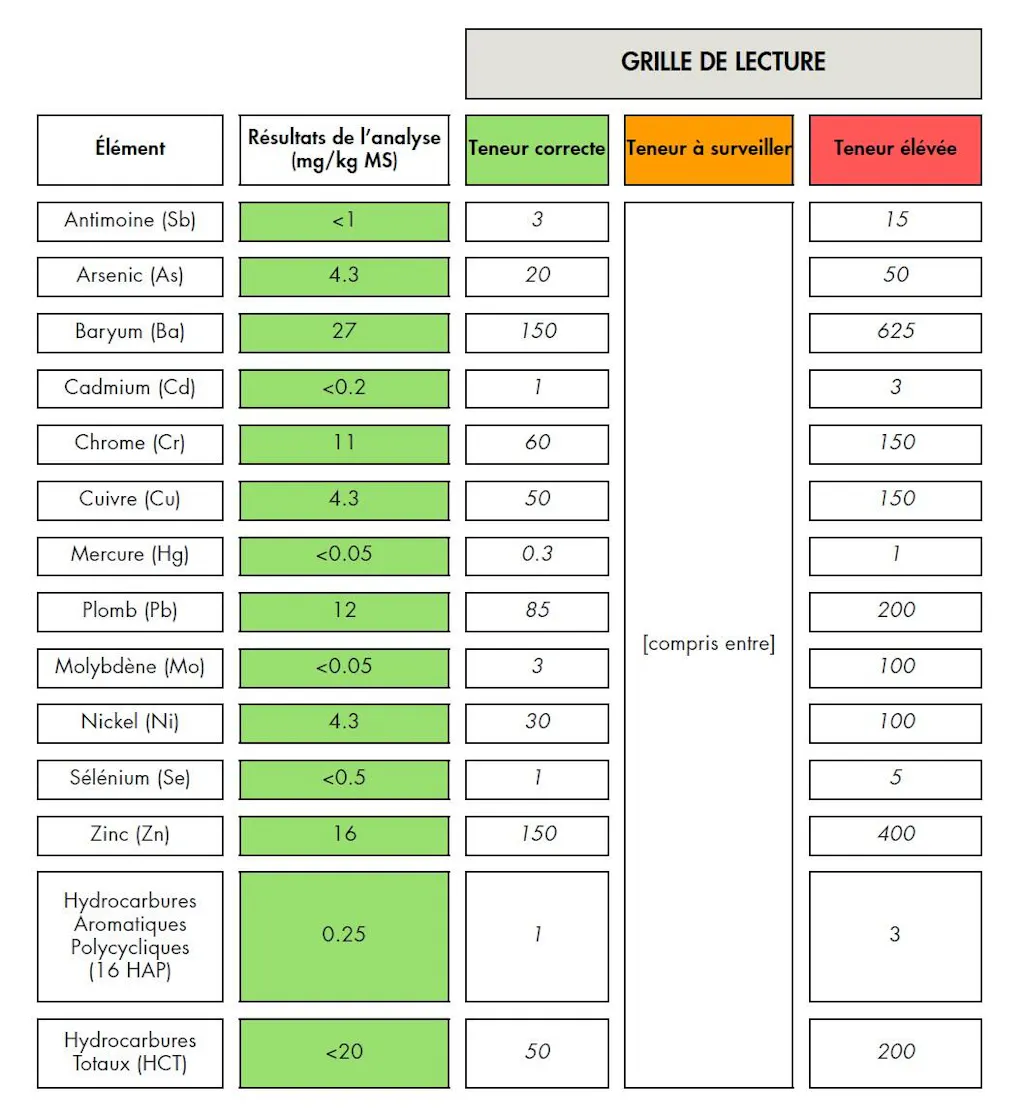
Having your land analyzed in a laboratory allows you to measure arsenic pollution and adapt your strategy: change of crop, addition of fixing materials, restriction of agricultural use, or recourse to phytoremediation.
Check the quality of your drinking water (especially in at-risk areas).
Diversify your diet to limit exposure.
Avoid CCA-treated wood for domestic construction.
Arsenic pollution is a major health and environmental problem. Invisible yet toxic, it affects millions of people worldwide, especially in regions where drinking water is contaminated. Its health effects—cancers, cardiovascular diseases, skin and neurological disorders—make it one of the most feared pollutants.
Preventing this pollution requires a combination of measures: strict regulations, water treatment, soil monitoring, and technological innovations. Combating arsenic cannot be separated from a comprehensive approach to heavy metal management, in order to protect public health and the environment.
The author of the article: Joseph OLIVIER
Joseph Olivier is an entrepreneur in the environmental sector. Originally from Nantes, he trained in waste management before creating a circular economy consulting firm . In 2022, he co-founded Pouryère with the ambition of addressing citizens' concerns about soil quality in France and access to environmental data.
This is the contamination of water, soil and air by arsenic, a toxic metalloid.
In groundwater, soils near mines, certain food products (rice, seafood).
Cancers, heart disease, skin lesions, neurological disorders and kidney damage.
Yes, it is among the most dangerous, alongside lead, mercury, cadmium and chromium.
Yes, thanks to specific filters (reverse osmosis, activated carbon, iron oxides).
Rice and its derivatives, certain vegetables and seafood can contain significant amounts.
Vary your diet, monitor water quality and avoid wood treated with CCA.
Pouryère supports you throughout the entire soil analysis process. Our sampling kits come with a comprehensive guide to walk you through the process. Once you've completed the analysis, simply send us your samples for full analysis and interpretation, which takes approximately ten days.
Each soil analysis kit is specialized and pursues a specific purpose:
 Chromium pollution: what are the dangers for humans and the environment?
 Cadmium pollution: what are the dangers for humans and the environment?
 Lead pollution: understanding the risks and the importance of soil analysis
 Mercury pollution: what are the dangers for humans and the environment?

Mercury pollution: what are the dangers for humans and the environment?
Related product
METKIT: Heavy metal analysis of soil (8)
89,00€